


Critical Bolting. Wherever it gets tough.
In heavy duty industrial environments such as oil & gas refineries, mining sites and power plants, bolted joints are critical to safety, uptime and asset integrity.
Using the wrong bolting tool can lead to joint failure, rework, safety risks and extended downtime.
Chicago Pneumatic provides a complete range of industrial bolting solutions, covering fast rundown, controlled tightening and high torque hydraulic applications - supported by expert guidance, spare parts availability and global service.
One Bolting Partner for Every Application
Using the wrong assembly tool can lead to joint failure, rework, safety risks and extended downtime. Access constraints, torque requirements, safety standards and operating conditions vary widely between applications and industries.


One Bolting Portfolio. Infinite Applications.
That’s why Chicago Pneumatic offers:

Full bolting solution
The right bolting technology for each task
Bolting expertise
Guides you through the correct assembly of critical joints
Easy to own
Spare parts availability through trained Chicago Pneumatic service partners
From routine maintenance to critical shutdowns, CP helps keep your operation running safely and on schedule.
This approach allows maintenance teams and distributors to tailor solutions to applications , reduce downtime and standardize bolting operations across sites.
Which bolting tool is right for my application?
Choosing the correct bolting tool depends on torque range, access constraints, frequency of use and process control requirements.


Impact vs Pneumatic vs Cordless vs Hydraulic Bolting Tools
When selecting an industrial bolting solution, the most frequent questions are which technology to use, when hydraulics are required, and where cordless or pneumatic tools are a better option.
The comparison below highlights the practical differences between bolting technologies used in the field.

| Criteria | Impact wrench (A) | Electronic torque wrench (B) | Pneumatic torque wrench (C) | Cordless torque wrench (D) | Hydraulic wrench (E) |
| Speed | Very fast | Moderate / controlled | Moderate / controlled | Slow / controlled | Slow / controlled |
| Price | Low to mid-range | Long-term value investment | Mid-range | Long-term value investment | Long-term value investment |
| Torque accuracy | Low | Very high precision | High precision | High precision | High precision |
| Weight / size | Compact | Lightweight | Medium | Compact | Lightweight |
| Accessibility | Moderate | Good | Moderate | Moderate | Tight access capable |
| Process traceability | No | Yes (CPLinQ) | No | Yes (CPLinQ) | No |
The Chicago Pneumatic industrial bolting range provides standard solution for shutdowns, safety critical joints and extreme torque applications.
Discover our precision bolting tool videos
Bolting Solutions for Oil & Gas, Mining, Power Generation
Each industry requires a different balance of torque, access, safety and uptime - which is why bolting solutions must be application‑driven.
Chicago Pneumatic bolting solutions are trusted worldwide across critical industrial sectors:

Oil & Gas
Flange bolting, BOPs, heat exchangers, pumps and pressure vessels
Reliable bolting solutions for refineries, petrochemical plants, pipelines and shutdown operations

Mining
Haul truck wheel studs, crushers and mills bolts and excavator slewings.
Robust bolting solutions designed for extreme loads, vibration and harsh operating conditions.
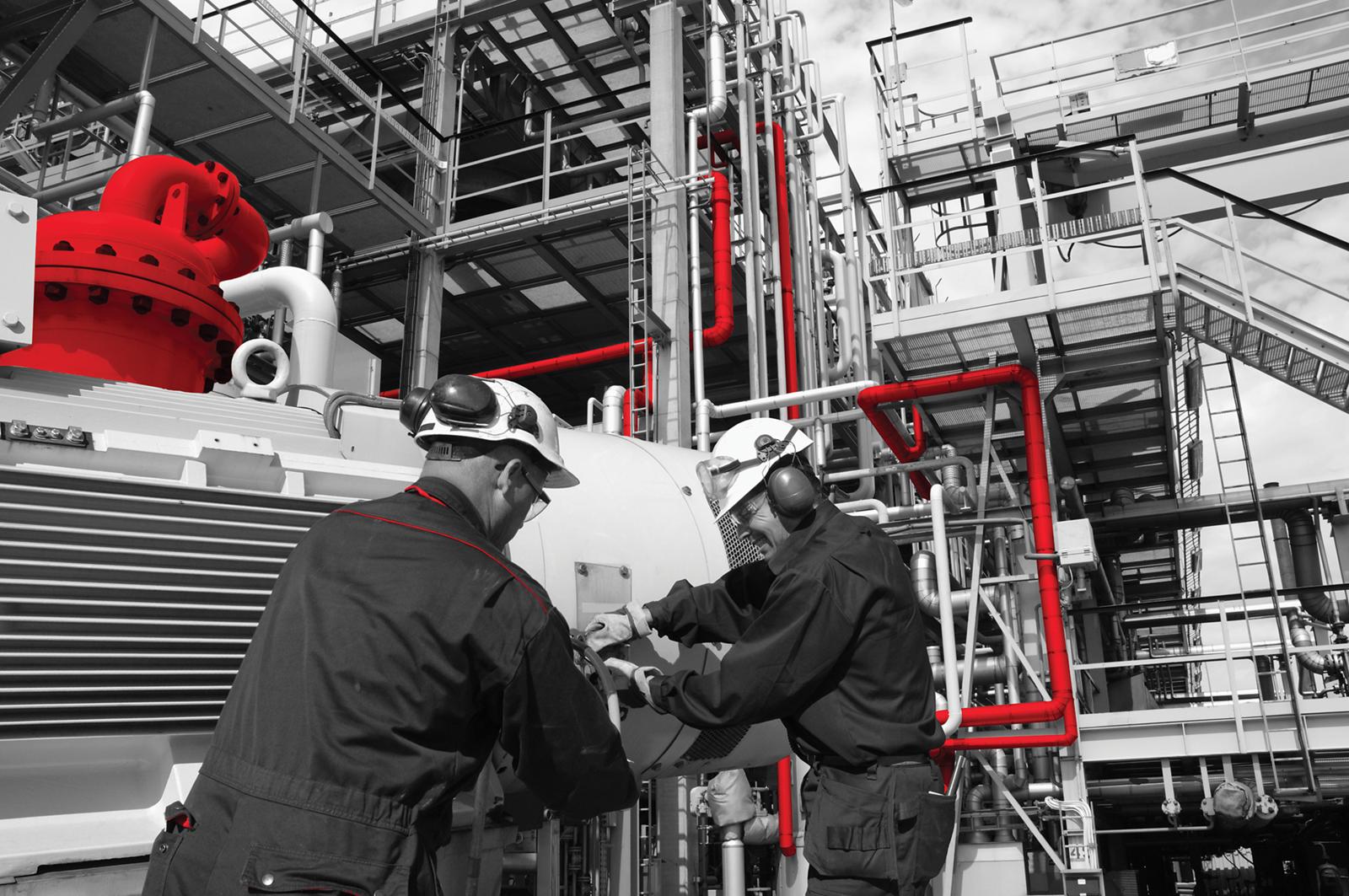
Power Generation
Gas and steam turbines, generators and pressure vessels
Precision bolting solutions supporting safety, performance and long term reliability

Wind Energy
Tower flanges, blade bolts and pillow blocks .
Controlled tightening solutions for large scale renewable energy installations.

For distributors - one complete industrial bolting portfolio
- One supplier for impact, pneumatic, cordless, electronic and hydraulic bolting
- Simplified stocking and training
- Spare parts availability through trained service partners
- Compatibility with existing customer fleets
Download our Bolting catalog
Frequently Asked Questions About Industrial Bolting
When should I use a hydraulic torque wrench?
Hydraulic torque wrenches are used when applications require very high torque, limited clearance or maximum joint integrity. They are commonly used during shutdowns, flange bolting and maintenance of pressure equipment in oil & gas, mining and power generation.
Can cordless torque wrenches replace hydraulic tools?
Cordless torque wrenches/nut runners are effective for many controlled tightening tasks. However, hydraulic tools remain essential for extreme torque levels, tight access and safety‑critical industrial joints.
What is the difference between an impact wrench and a torque wrench?
Impact wrenches are designed for speed and bolt removal. Torque wrenches apply a controlled torque value and should be used whenever joint integrity, safety or compliance is required.
Why is tool selection critical during shutdown operations?
Shutdown work involves high pressure, high risk and short time windows. Using the wrong bolting tool can extend downtime, increase safety risks and lead to costly rework.

How to maintain and tighten bolted flanges in Oil & Gas and petrochemical applications?
In the oil and gas industry, leakage issues are far more common than one might expect. Applying the correct flange bolt tightening techniques dramatically reduces leakage risk and improves long-term flange reliability.

How to maintain hydraulic torque equipment?
A hydraulic torque wrench is only as reliable as its maintenance. Adopting a preventative maintenance approach is key to avoid leaks and tool failure. Discover Chicago Pneumatic checklists.

Why bolt tightening sequence matters for hydraulic torque wrenches
The bolt tightening sequence is a fundamental factor of bolting assemblies, as the order of tightening directly impacts joint integrity. The Cross (or Star) pattern is the industry standard and most widely used.

7 Reasons to switch from a Hydraulic to an Electric Torque Wrench
Torque wrenches are essential power tools for high torque bolting and assembly applications across oil and gas, renewable, and heavy vehicle industries. When it comes to choosing between electric torque wrenches or hydraulic wrenches, it’s worth understanding their advantages and disadvantages; so you can pick the right one for the heavy duty job to improve productivity and operational efficiency.
Working on critical bolting applications?
Get the right hydraulic torque tool setup for your industry, application, and access constraints.